
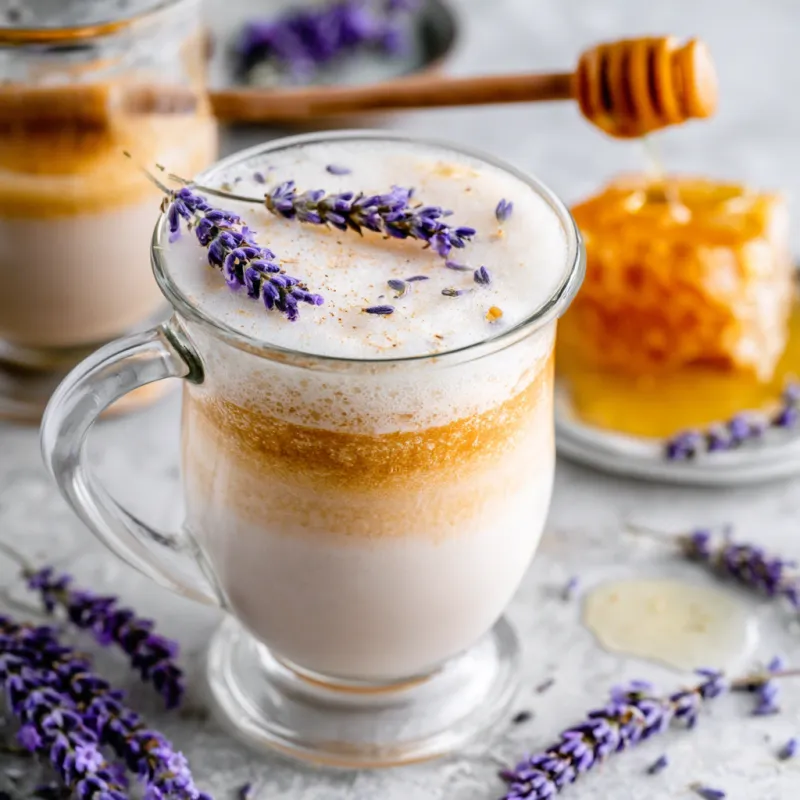
The first time I smelled lavender in a latte, I was skeptical. Lavender is for sachets and soap, not coffee, right? But the first sip changed my mind. The floral notes mellow the espresso’s bitterness, and honey adds a round sweetness that sugar can’t match. The trick is making a syrup that captures the lavender’s perfume without turning bitter. That means infusing gently—no boiling, no rushing.

Why This Lavender Honey Syrup Works
Most lavender syrups end up tasting like soap or potpourri. That happens when you boil the buds or use too many. I keep the ratio at 1 tablespoon of dried culinary lavender per 1/2 cup water and 1/2 cup honey. The water and honey are equal parts by volume, which makes a syrup that’s thick enough to cling to the spoon but thin enough to mix into cold or hot drinks.
I simmer the mixture, not boil it. A gentle simmer—small bubbles around the edge—for 5 minutes. Then I take it off the heat and let it steep for exactly 10 minutes. Any longer and the lavender releases bitter compounds. Any shorter and the flavor is weak. After straining, the syrup is a pale golden color with a clean floral taste.
Choosing Your Milk and Espresso
Whole milk gives the creamiest texture. The fat carries the floral notes nicely. If you’re avoiding dairy, oat milk is my favorite substitute. It steams well and has a neutral sweetness. Almond milk can separate when hot, and coconut milk can overpower the lavender.
For the espresso, use a medium roast with chocolate or nutty notes. A bright, fruity espresso can clash with the lavender. If you’re using a Moka pot or Aeropress, aim for a concentrated brew—about 2 ounces of liquid from 14-18 grams of coffee.
Building the Latte
Start with 1 to 1.5 tablespoons of lavender honey syrup in your mug. Add the hot espresso and stir. This step matters because the syrup blends into the hot coffee better than if you pour milk on top first. Then steam your milk to about 150°F (65°C). That’s the sweet spot where the milk is hot enough to warm the drink but not so hot that it scalds the honey flavor.
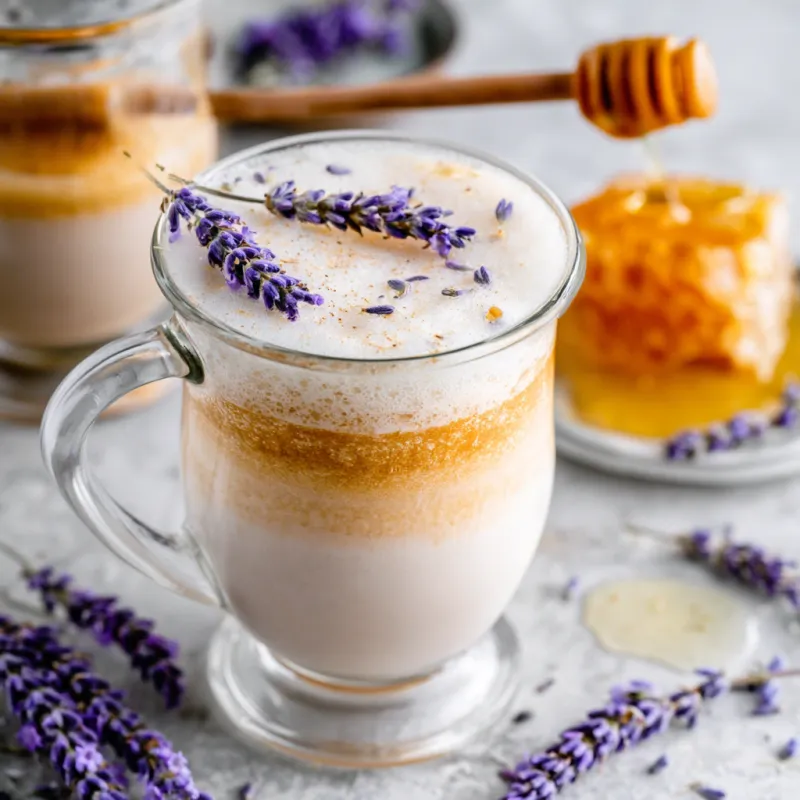
Pour the steamed milk over the back of a spoon held just above the surface. This controls the flow and keeps the foam on top. Spoon the remaining foam over the drink. A pinch of dried lavender buds on top is optional but makes it look like something from a café.
Common Mistakes to Avoid
- Boiling the syrup: High heat makes lavender taste bitter and harsh. Keep it at a simmer.
- Over-steeping: 10 minutes is the limit. Set a timer.
- Using too much syrup: Start with 1 tablespoon. You can always add more, but you can’t take it out.
- Cold milk in hot espresso: Always heat the milk first so the drink stays hot.
Storage and Make-Ahead Tips
The lavender honey syrup keeps in a sealed jar in the refrigerator for up to 2 weeks. I make a batch on Sunday and have latte-ready syrup all week. If you want an iced version, just pour the syrup and espresso over ice, then add cold milk.
Takeaway
A lavender honey latte at home is about technique, not fancy equipment. Gentle heat, precise steeping, and the right ratio of syrup to coffee make all the difference. Once you have the syrup, the rest is just steaming milk and pouring. It’s a small ritual that turns an ordinary morning into something special.
Frequently Asked Questions
Can I use fresh lavender instead of dried?
I recommend dried culinary lavender for this recipe. Fresh lavender has higher moisture content and can make the syrup taste grassy or bitter. Dried buds are more concentrated and consistent. If you only have fresh, use 1.5 tablespoons and steep for only 5 minutes, then strain immediately.
What if I don’t have an espresso machine?
You can use a Moka pot, Aeropress, or strong brewed coffee. For an Aeropress, use 2 scoops of finely ground coffee and brew with 4 ounces of water at 200°F (93°C). Press slowly. The drink won’t be exactly the same, but it will still taste floral and sweet.
How do I make this latte iced?
Brew the espresso and let it cool for a few minutes. Fill a glass with ice, add the lavender honey syrup and espresso. Pour cold milk over the top and stir. For extra flair, shake the milk and syrup with ice in a cocktail shaker before pouring.
Lavender Honey Latte
Ingredients
Equipment
Method
- In a small saucepan, combine water, honey, and dried lavender buds. Bring to a gentle simmer over medium heat, stirring until honey dissolves. Do not boil. Simmer for 5 minutes, then remove from heat. Let steep for 10 minutes. Strain through a fine-mesh strainer into a jar. Discard lavender buds. Cool syrup completely. Store in fridge for up to 2 weeks.
- Brew 1-2 shots of espresso (or strong coffee). Pour into a mug.
- Add 1 to 1.5 tablespoons of lavender honey syrup to the espresso. Stir.
- Steam or froth the milk until hot and foamy, about 150°F (65°C). For oat milk, steam gently to avoid scorching.
- Pour the steamed milk over the espresso-syrup mixture. Hold back the foam with a spoon, then spoon foam on top. Garnish with a pinch of dried lavender if desired.