
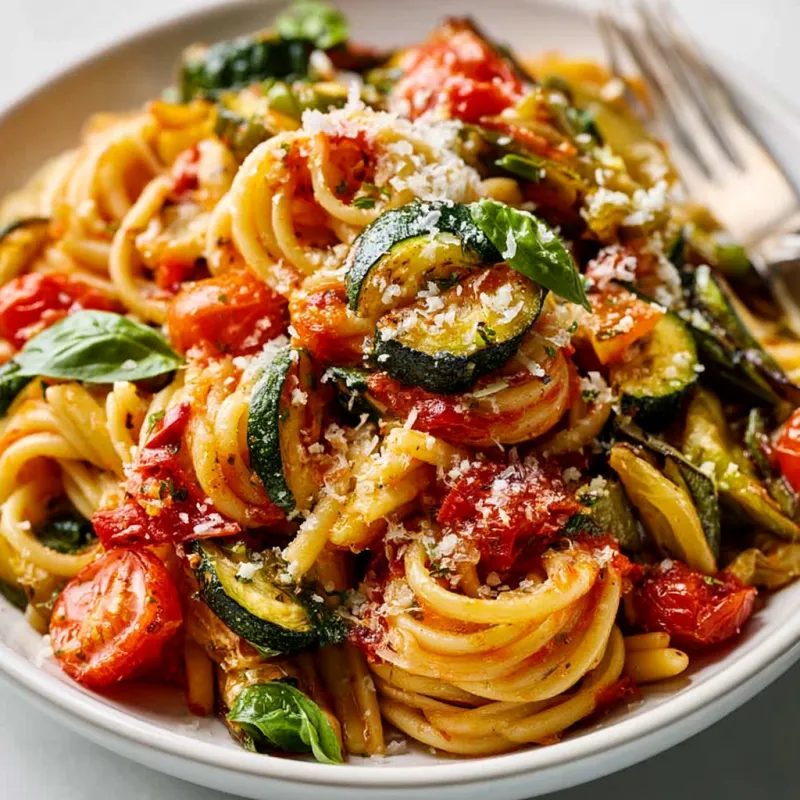
The first time I made roasted veggie pasta, I ended up with a sad bowl of dry, bland noodles and limp vegetables. The problem? I treated the vegetables and pasta as separate components, tossing them together at the end with nothing to bind them. The fix was simpler than I expected: a bold vinaigrette and a splash of starchy pasta water.

This recipe is built around a technique that keeps leftovers tasting fresh for days. The vinaigrette does double duty—it seasons the vegetables while they’re warm, and it clings to the pasta long after the meal is prepped. Here’s how to get it right.
Why This Method Works
Roasting vegetables concentrates their natural sugars and develops deep flavor. But the real trick is timing. I toss the hot roasted vegetables directly with the vinaigrette while they’re still warm. The heat helps the vegetables absorb the vinegar and mustard, so every bite is seasoned through, not just on the surface.
The pasta water is the unsung hero. The starch in the water helps the vinaigrette coat each piece of pasta evenly, creating a light, clingy sauce rather than a pool of oil at the bottom of the bowl. I reserve 1/2 cup of water before draining, but I only use 2-3 tablespoons. The rest can be saved for thinning leftovers later.
The Perfect Roasted Vegetables
I keep the vegetables in uniform 1-inch pieces. This ensures they cook at the same rate. Zucchini and yellow squash are sliced into half-moons about 1/2-inch thick—thin enough to soften, thick enough to hold their shape. Red bell pepper adds sweetness, red onion adds bite. Spread them in a single layer on a rimmed baking sheet. Crowding the pan causes steaming instead of roasting. If your sheet is small, use two pans.
Roast at 425°F for 25-30 minutes, stirring once halfway through. You’re looking for browned edges and a few charred spots on the peppers. The zucchini should be tender but not collapsing. Over-roasted zucchini turns watery and mushy, so check at 25 minutes.
Building the Vinaigrette
This isn’t a delicate dressing. It needs to stand up to the roasted flavors. I use a 2:1 ratio of oil to vinegar, but with a twist. The Dijon mustard acts as an emulsifier, keeping the vinaigrette from separating when it hits the warm vegetables. Whisk the vinegar, mustard, garlic, salt, and pepper together first, then drizzle in the oil slowly while whisking. If you dump it all at once, the emulsion breaks and you’ll have a greasy mess.
Assembling for Maximum Flavor
Combine the warm roasted vegetables, cooked pasta, and vinaigrette in a large bowl. Toss gently with two spoons or your hands (use gloves if the pasta is hot). Add 2-3 tablespoons of the reserved pasta water and toss again. The water will look cloudy at first, then the starch will help the vinaigrette cling to every nook and cranny of the pasta.
Let the pasta sit for 5 minutes before serving. This resting time allows the flavors to meld. The basil should be added at the very end, just before serving, so it stays bright green. If you’re making this for meal prep, add the basil only to the portion you’re eating immediately.
Common Mistakes to Avoid
Underseasoning the pasta water. The water should taste like the sea. This is your only chance to season the pasta from the inside out. Use about 1 tablespoon of salt per 4 quarts of water.
Skipping the pasta water. Without it, the vinaigrette slides off the pasta and pools at the bottom. The starch is the glue that holds everything together.
Overcooking the pasta. Cook it al dente—firm to the bite. It will continue to soften slightly when tossed with the hot vegetables and vinaigrette. Mushy pasta has no texture and won’t hold up in leftovers.
Make It Your Own
This recipe is a base. Swap in whatever vegetables you have: broccoli, cauliflower, cherry tomatoes, or eggplant all work. Adjust the roasting time for denser vegetables—broccoli needs about 20 minutes, eggplant needs 30. If you add cherry tomatoes, toss them in whole; they’ll burst and create a jammy sauce that mixes beautifully with the vinaigrette.
For a protein boost, add a can of drained chickpeas to the baking sheet during the last 10 minutes of roasting. Or top each serving with a poached egg for a rich, runny yolk that becomes a sauce itself.
Storing and Reheating
Store in an airtight container in the refrigerator for up to 4 days. The vinaigrette keeps the pasta from drying out, but if it seems tight, add a splash of water or olive oil before reheating. Reheat in a skillet over medium heat with a tablespoon of water, stirring until warmed through. The microwave works too, but the skillet method restores some of the roasted texture.
The takeaway: A great roasted veggie pasta isn’t about the vegetables or the pasta alone—it’s about how they come together. Reserve that pasta water, make a vinaigrette that means business, and you’ll have a meal that’s just as good on day four as it was on day one.
Frequently Asked Questions
Can I use frozen vegetables for this roasted veggie pasta?
Fresh vegetables roast better because they release less water. If using frozen, thaw and pat them very dry, then roast at a higher temperature (450°F) for a shorter time to avoid sogginess.
What pasta shape works best?
Short, sturdy shapes like penne, rotini, or farfalle hold up best. They catch the vinaigrette in their ridges and don’t get mushy when tossed with the vegetables.
How do I keep the pasta from drying out in the fridge?
The balsamic vinaigrette acts as a protective coating. Always reserve pasta water and add a couple tablespoons when tossing. The starch helps the dressing cling and keeps the pasta moist for days.
Can I add protein to make it a complete meal?
Absolutely. Grilled chicken, chickpeas, or crumbled feta work well. Add them after roasting so they don’t overcook.
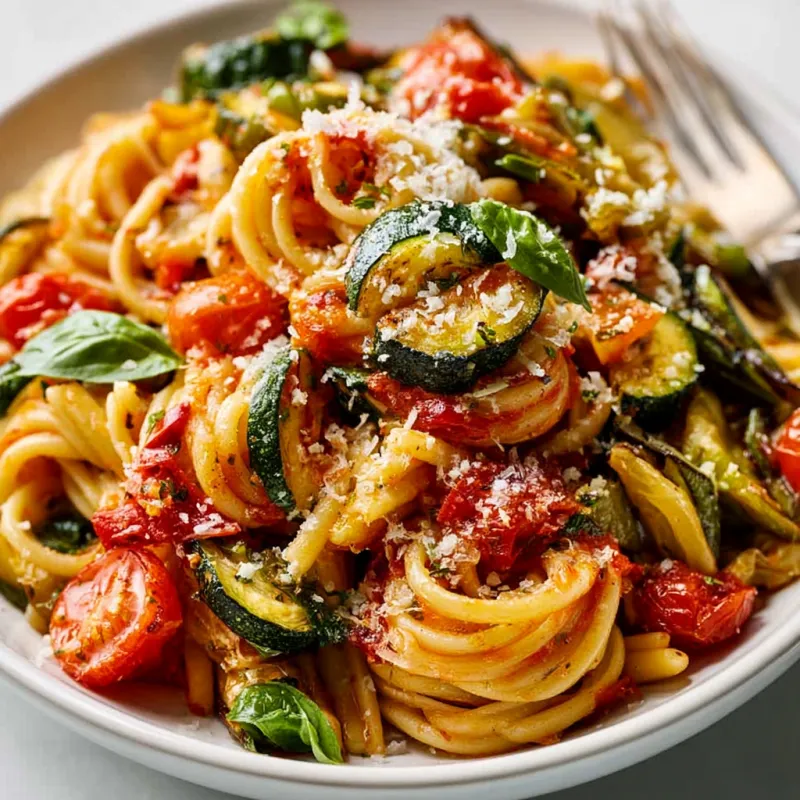
Roasted Veggie Pasta with Balsamic Vinaigrette
Ingredients
Equipment
Method
- Preheat oven to 425°F (220°C) with a rack in the middle. Line a rimmed baking sheet with parchment paper for easy cleanup.
- In a large bowl, combine zucchini, yellow squash, bell pepper, and red onion. Drizzle with 1 tablespoon olive oil, sprinkle with 1/2 teaspoon salt and 1/4 teaspoon pepper. Toss to coat evenly.
- Spread vegetables in a single layer on the prepared baking sheet. Roast for 25-30 minutes, stirring halfway through, until tender and browned at the edges. The zucchini should be soft but not mushy, and the peppers should have charred spots.
- While vegetables roast, bring a large pot of salted water to a boil. Cook pasta according to package directions until al dente. Reserve 1/2 cup of pasta cooking water before draining. Drain pasta and set aside.
- In a small bowl, whisk together balsamic vinegar, Dijon mustard, minced garlic, remaining 1/2 teaspoon salt, and remaining 1/4 teaspoon pepper. Slowly drizzle in the extra-virgin olive oil while whisking until emulsified.
- In a large mixing bowl, combine the roasted vegetables, cooked pasta, and vinaigrette. Toss gently. Add 2-3 tablespoons of the reserved pasta water and toss again. The starch in the water helps the vinaigrette cling to every piece.
- Fold in torn basil and Parmesan (if using). Taste and add more salt, pepper, or a splash of vinegar if needed. Serve warm or at room temperature.
- Store leftovers in an airtight container in the refrigerator for up to 4 days. To revive, add a drizzle of olive oil or a splash of water and reheat gently.