
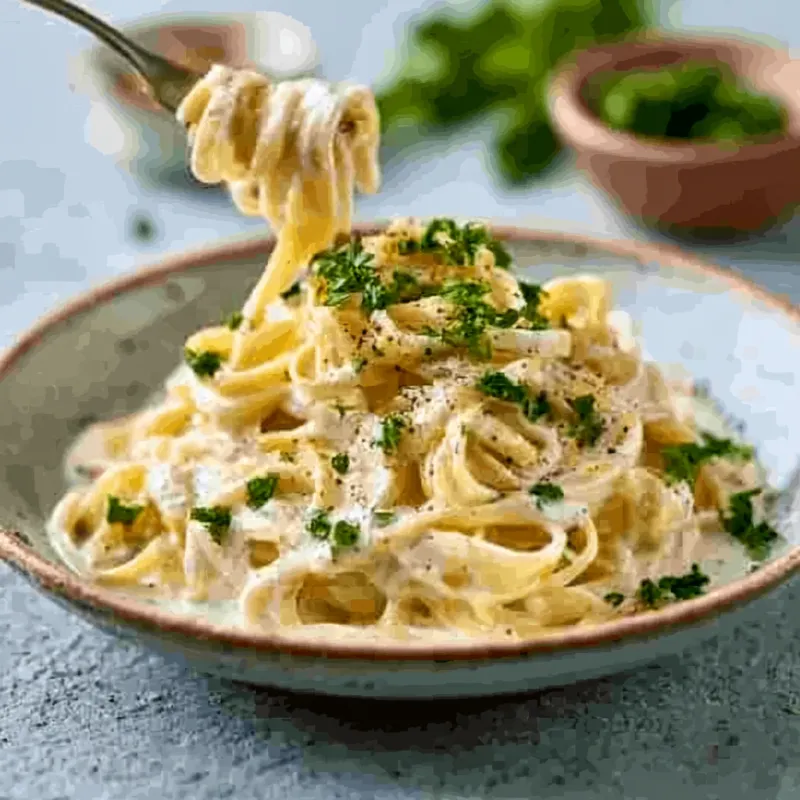
The first time I made Alfredo at home, I used a pint of heavy cream and a block of cream cheese. It was thick, heavy, and sat in my stomach like a brick. That’s not Alfredo — that’s a casserole in disguise. Real Alfredo, the kind that turns a Tuesday night into something worth sitting down for, uses just butter, good Parmesan, and the water you boiled your pasta in. That’s it. No cream. No shortcuts. Just technique.

The magic happens when you toss hot pasta with cold butter and starchy water. The butter melts into a creamy emulsion, and the grated cheese binds it all together into a sauce that coats every strand. It feels like alchemy, but it’s just good science — and it works every time.
Why This Method Works
The key to a silky Alfredo is the emulsion. Pasta water is rich with starch that acts as a natural thickener and stabilizer. When you toss hot pasta with cold butter, the butter melts slowly, and the starch in the water helps suspend the fat and cheese in a smooth, glossy sauce. If you add cream, you’re adding extra fat that can separate. This method gives you control.
Get the Ratio Right
I keep the ratio at 1 pound pasta to 1/2 cup butter to 1 1/2 cups finely grated Parmigiano-Reggiano. That’s the sweet spot. Too much butter and the sauce is greasy. Too much cheese and it turns into a clumpy mess. With this ratio, you get a sauce that’s rich but not heavy, with a clean, salty finish from the cheese.
Step-by-Step: The Technique
1. Salt the water generously
The water should taste like a mild sea — about 2 tablespoons of kosher salt per gallon. This is the only chance to season the pasta from the inside out. Don’t skip it. The sauce itself has salt from the cheese, so adjust the final dish carefully.
2. Cook pasta 1 minute shy of al dente
Check the package time and subtract one minute. The pasta will finish cooking in the sauce, absorbing flavor and releasing more starch into the pan. Overcooking it now makes it mushy later.
3. Reserve the water, then drain
Scoop out 2 cups of the starchy pasta water before draining. That water is liquid gold. Don’t dump it down the sink. Set it aside, and don’t rinse the pasta — you want that starch clinging to the noodles.
4. Toss hot pasta with cold butter
Place the cold butter pieces in a large, cold skillet. Dump the hot, drained pasta directly on top. Toss with tongs until the butter melts completely and coats every strand. The residual heat from the pasta does the work. No stovetop needed yet.
5. Add pasta water and cheese in stages
Pour in 1/2 cup of reserved water and toss. The sauce will look watery at first. That’s fine. Now add the grated Parmigiano-Reggiano in three additions, tossing vigorously after each. The cheese will melt into the water and butter, creating a creamy sauce. If it looks too thick, add more water, 1/4 cup at a time, until it’s silky and flows like thick cream.
6. Taste and serve immediately
Alfredo waits for no one. Once the sauce reaches the right consistency, serve it in warm bowls. The sauce will continue to thicken as it sits, so eat right away. A pinch of nutmeg adds a warm, nutty note that lifts the cheese — try it once and see if you like it.
Common Mistakes and How to Avoid Them
Using pre-shredded cheese: It’s coated with anti-caking agents that prevent smooth melting. Grate a block of Parmigiano-Reggiano on a microplane. It takes two minutes and makes a real difference.
Adding all the cheese at once: Dumping it all in at once creates clumps. Add it in three parts, tossing each time until incorporated.
Overheating the sauce: High heat will break the emulsion. Keep the heat off or on the lowest setting once the pasta is in the pan. The residual heat from the pasta and water is enough.
Skipping the pasta water: Plain water doesn’t have the starch needed to emulsify the sauce. Always use the starchy water from your pasta pot.
Make It Your Own
This base recipe is a blank canvas. Add a handful of peas and cooked chicken for a complete meal. Toss in sautéed mushrooms and a pinch of red pepper flakes for heat. Stir in steamed broccoli or roasted cherry tomatoes. The sauce is sturdy enough to carry add-ins without breaking.
One note: if you add vegetables, make sure they’re well-drained or roasted dry. Extra water in the pan will thin the sauce and make it watery.
Takeaway
Easy Alfredo pasta doesn’t need a pint of cream or a box of processed cheese. With good butter, real Parmesan, and a cup of starchy pasta water, you can make a sauce that’s silky, satisfying, and genuinely impressive. The technique takes two minutes of active tossing, and the payoff is a weeknight dinner that feels like a restaurant meal. Try it once, and you’ll never reach for the cream again.
Frequently Asked Questions
Can I use pre-shredded Parmesan from a bag?
I don’t recommend it. Pre-shredded cheese contains cellulose and anti-caking agents that prevent it from melting smoothly. For a silky, non-grainy sauce, grate a block of Parmigiano-Reggiano fresh on a microplane. It takes two minutes and makes a real difference.
Why did my sauce turn out clumpy or greasy?
Two common mistakes: overheating the sauce after adding cheese, or adding all the cheese at once. Keep the heat low after the pasta goes in, and add the grated cheese in three batches, tossing each time until it’s fully incorporated. The starchy water helps emulsify everything into a creamy sauce.
Can I make this ahead of time?
Alfredo sauce doesn’t hold well — it thickens and separates as it cools. I recommend making it fresh, right before serving. If you must prep ahead, cook the pasta and make the sauce separately, then combine with a splash of water and reheat gently in a skillet.
What if I don’t have fettuccine?
Any long pasta works: linguine, spaghetti, bucatini, or even pappardelle. Short shapes like penne or rigatoni will work too, but the sauce clings best to long, flat strands. Adjust cooking time for the shape you choose.
How do I keep leftovers from turning into a solid block?
Store leftovers in an airtight container in the fridge for up to 2 days. To reheat, place the pasta in a skillet over low heat with a splash of milk or water. Toss gently until warmed through. Avoid high heat or the microwave — both will break the emulsion and make the sauce grainy.
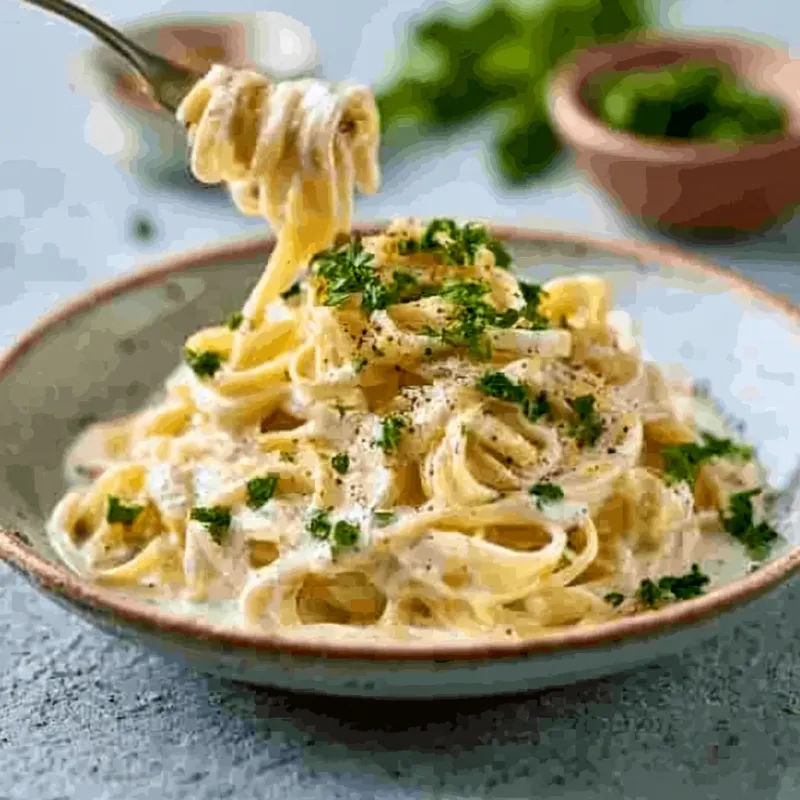
Easy Alfredo Pasta
Ingredients
Equipment
Method
- Bring a large pot of water to a rolling boil. Add 2 tablespoons of salt (water should taste like the sea). Drop the pasta and cook until 1 minute shy of al dente, stirring occasionally.
- While pasta cooks, place the butter pieces in a large, cold skillet. Set aside.
- Just before draining, scoop out 2 cups of starchy pasta water. Reserve.
- Drain the pasta (do not rinse).
- Add the hot, drained pasta directly to the cold butter in the skillet. Toss with tongs until the butter melts and coats every strand.
- Pour in 1/2 cup of the reserved pasta water. Toss vigorously. The sauce will look thin at first — trust the process.
- Sprinkle in the grated Parmigiano-Reggiano in three additions, tossing well after each. Add the salt, pepper, and nutmeg if using.
- Continue tossing and adding pasta water 1/4 cup at a time until the sauce is silky and clings to the pasta like a glossy coat. You may not need all the water. This takes about 2 minutes of active tossing.
- Taste and adjust salt or pepper. Serve immediately in warm bowls. Garnish with parsley if desired.