
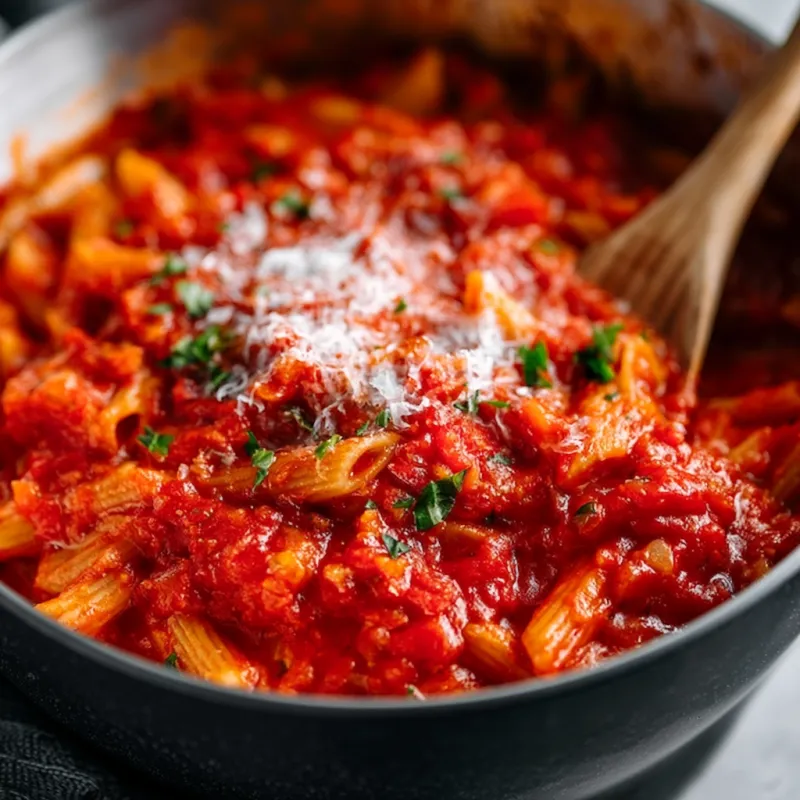
There’s something about the smell of garlic hitting hot olive oil that signals dinner is on its way. And when that garlic meets crushed tomatoes and oregano, you’re not just making pasta—you’re making a pizza night, minus the dough. This 15-minute pizza sauce pasta is exactly what it sounds like: a one-pan dinner where the noodles cook directly in a savory, slightly chunky tomato sauce, then get topped with melty mozzarella. No boiling water, no colander, no extra pot. Just a skillet, a spoon, and a timer.

Why This Method Works
The trick is cooking the pasta in the sauce itself. This isn’t new—it’s how many Italian nonnas finish their pasta. But here, we start with dry pasta and let it absorb the liquid from the sauce as it simmers. The starch from the pasta thickens the sauce naturally, so you get a silky, clingy coating without any cream or butter. The ratio I keep at is 6 ounces of pasta to 1 cup of water plus the liquid from the crushed tomatoes. That’s enough moisture for the pasta to hydrate fully without turning the dish into soup.
The Right Pan Matters
Use a 12-inch skillet or sauté pan with a lid. A smaller pan will crowd the pasta, leading to uneven cooking. A wider pan lets the pasta sit in a single layer, so each piece gets equal contact with the sauce. If you don’t have a lid, a sheet of aluminum foil works—just crimp it tight around the edges.
Ingredients and Substitutions
You need just a handful of pantry staples. Crushed tomatoes are key here—they’re thicker than diced but smoother than passata. If you only have whole peeled tomatoes, crush them by hand before adding. The oregano is non-negotiable for that pizza flavor, but you can swap in dried basil or a pinch of Italian seasoning. Red pepper flakes are optional but add a gentle warmth that balances the acidity of the tomatoes.
For the cheese, low-moisture mozzarella melts best and doesn’t make the dish watery. Fresh mozzarella works too, but drain it well and add it at the very end. Parmesan adds a salty, nutty finish. If you’re dairy-free, skip the cheese or use a plant-based mozzarella that melts well—just be aware the texture will differ slightly.
Step-by-Step: The 15-Minute Timeline
Minute 0-1: Sauté the Garlic
Heat the olive oil over medium heat. Add the garlic and stir constantly. Once it’s fragrant (about 30 seconds), move on. Burnt garlic will ruin the sauce.
Minute 1-3: Build the Sauce
Pour in the crushed tomatoes, oregano, red pepper flakes, salt, and pepper. Add the water and stir. Bring to a gentle simmer. You’ll see small bubbles around the edges—that’s your cue.
Minute 3-4: Add the Pasta
Add the dry pasta to the skillet, spreading it in an even layer. Let it sit untouched for one minute. This softens the pasta slightly so it doesn’t clump when you stir. Then stir well to coat every piece.
Minute 4-12: Simmer Covered
Cover the skillet, reduce the heat to low, and set a timer for 8 minutes. Stir once at the 4-minute mark. The pasta will look like it’s swimming in sauce now, but it will absorb most of it. At 8 minutes, check for doneness. The pasta should be al dente—firm to the bite but not hard in the center. If it’s still too firm, cover and cook another 2 minutes. If the pan looks dry, add 2 tablespoons of water before covering again.
Minute 12-14: Add the Cheese
Remove the lid. Sprinkle the mozzarella and Parmesan evenly over the top. Cover again and turn off the heat. Let it sit for 2 minutes. The residual steam melts the cheese without making it rubbery.
Minute 14-15: Serve
Uncover, garnish with fresh basil if you have it, and serve straight from the skillet. The cheese will be stretchy and the sauce will cling to every piece of pasta.
Common Mistakes to Avoid
Don’t stir the pasta too early. Let it sit for that first minute so the starches begin to release. Stirring too soon can make the pasta gummy. Also, don’t crank the heat to high to speed things up. A gentle simmer is all you need—boiling will evaporate the liquid too fast and leave you with undercooked pasta in a thickened sauce.
What to Serve With It
A simple green salad with a lemon vinaigrette cuts through the richness. Or, if you want to stay in pizza territory, serve with a side of roasted broccoli or sautéed zucchini. No need for bread—the pasta is the star.
Takeaway: This 15-minute pizza sauce pasta is a real weeknight workhorse. It’s forgiving, adaptable, and uses ingredients you probably already have. Once you see how easy it is to cook pasta directly in the sauce, you might never boil noodles in a separate pot again.
Frequently Asked Questions
Can I use a different type of pasta?
Yes, any short pasta works well—penne, fusilli, rigatoni, or even broken spaghetti. Avoid long noodles like whole spaghetti, as they may not cook evenly in the sauce. Adjust cooking time by 1-2 minutes depending on the pasta shape.
Do I need to pre-cook the pasta?
No, that’s the beauty of this method. The pasta cooks directly in the sauce, absorbing flavor while it softens. Just make sure the sauce has enough water (1 cup) to fully hydrate the noodles. If the pasta seems dry before it’s done, add another 1/4 cup of water.
Can I add protein or vegetables?
Absolutely. You can stir in cooked ground beef, Italian sausage, or shredded rotisserie chicken after the pasta is done. For vegetables, add chopped bell peppers or mushrooms with the garlic, or stir in spinach at the end. If adding raw meat, cook it first in the skillet, then remove it, make the sauce, and return it with the pasta.
How do I prevent the pasta from sticking?
Stir once halfway through the cooking time, and ensure there’s enough liquid. The sauce should be simmering, not boiling aggressively. If the pasta sticks, it’s likely because the heat was too high or the pan was too small. A 12-inch skillet gives the pasta room to move.
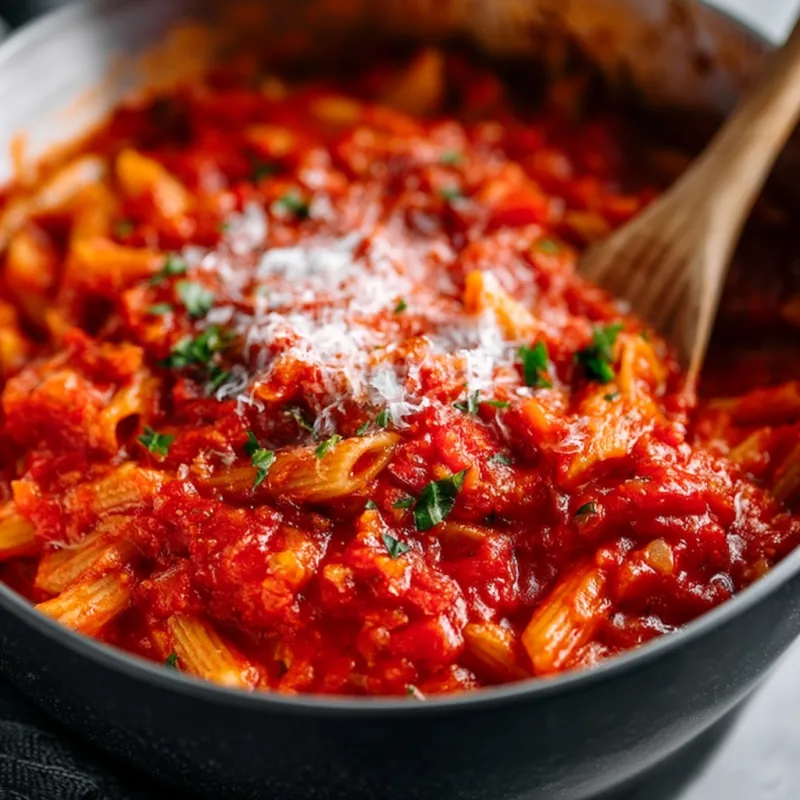
15-Minute Pizza Sauce Pasta
Ingredients
Equipment
Method
- Heat a 12-inch skillet over medium heat. Add the olive oil and swirl to coat the bottom.
- Add the minced garlic and cook, stirring constantly, until fragrant (about 30 seconds). Do not let it brown.
- Pour in the crushed tomatoes, dried oregano, red pepper flakes (if using), salt, and black pepper. Stir to combine.
- Add the water and stir again. Bring the sauce to a gentle simmer.
- Add the dry pasta to the skillet, spreading it evenly in the sauce. Do not stir yet. Let it sit for 1 minute so the pasta begins to soften.
- Stir the pasta into the sauce, ensuring every piece is coated. Cover the skillet with a lid or foil, reduce the heat to low, and let simmer for 8-10 minutes, stirring once halfway through. The pasta should be al dente and most of the liquid absorbed.
- Remove the lid. Sprinkle the mozzarella and Parmesan over the top. Cover again and let sit off the heat for 2 minutes until the cheese melts.
- Garnish with fresh basil leaves if desired. Serve immediately.